Second metropolis of Brazil after Sao Paulo, Rio de Janeiro is a city with over 6 million inhabitants, characterized by a unique urban structure. What is most striking is its stark contrast between wealth and poverty, between wonderful neighborhoods with modern and expensive skyscrapers, and favelas, the famous dilapidated neighborhoods inhabited by the poorest class. Today we will take you to discover the best things to see in Rio de Janeiro.
Christ Redeemer
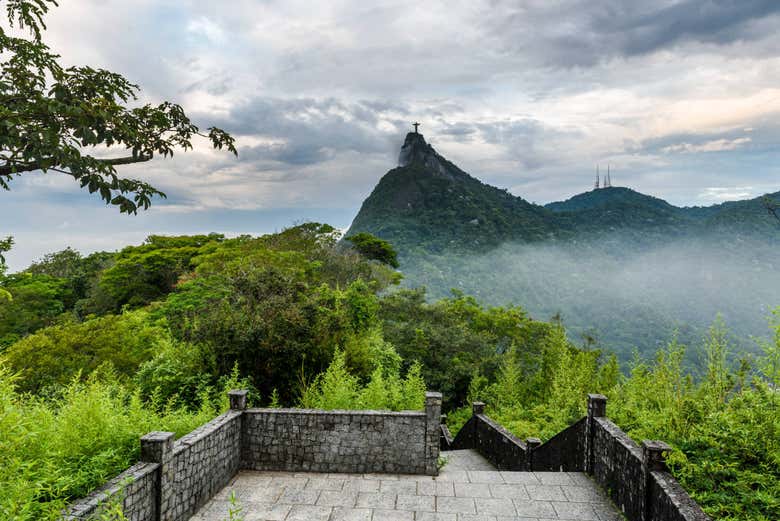
Symbol of Rio and all of Brazil, inscribed on the UNESCO World Heritage List, Christ the Redeemer is a true legendary monument known throughout the world.
It is the third largest statue in the world, as well as the largest and most famous Art Deco sculpture in existence. The statue, built between 1926 and 1931 by the engineer Heitor da Silva Costa, depicts Jesus Christ with his arms open and outstretched, almost embracing the entire city.

Sugarloaf mountain
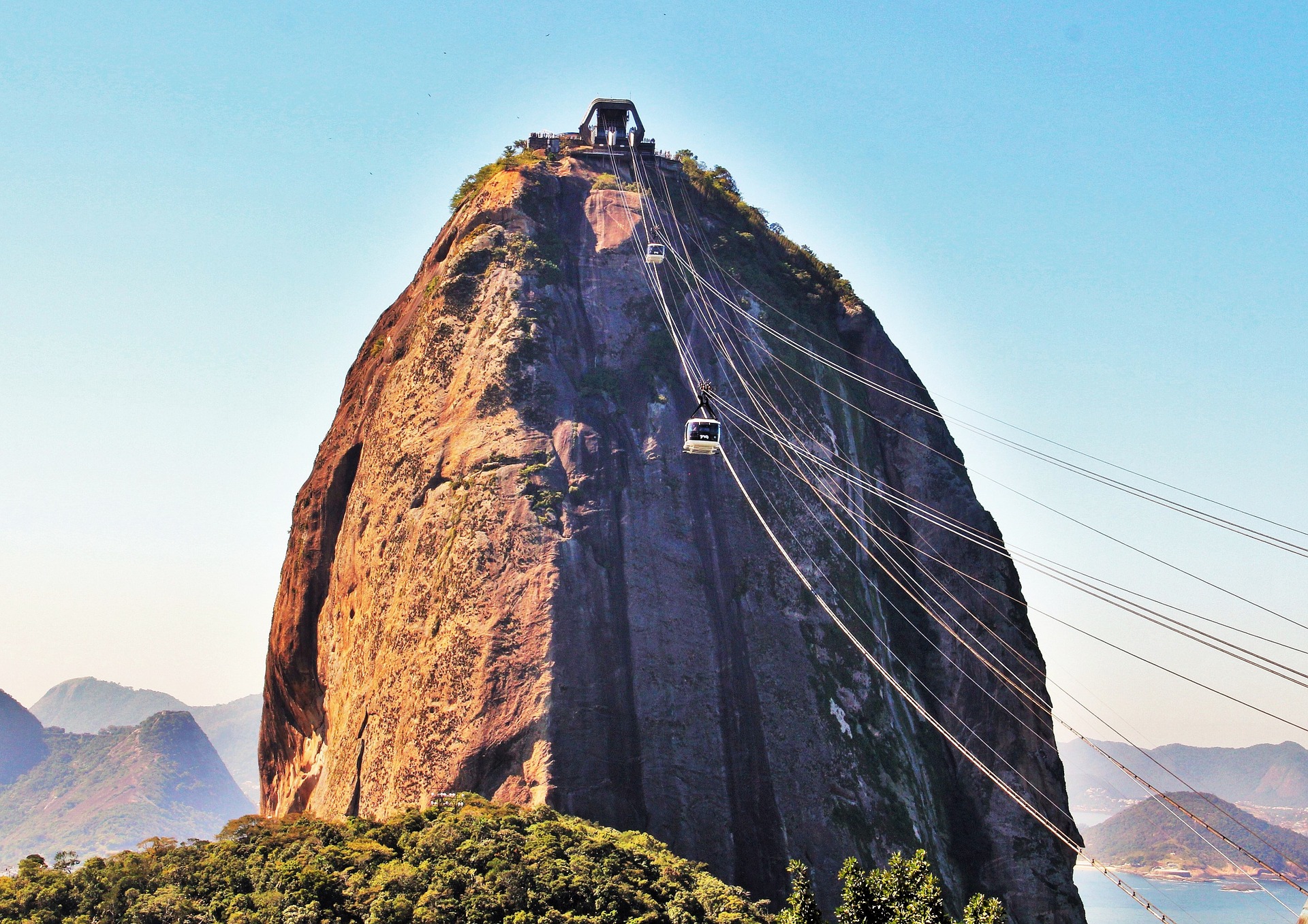
The Sugar Loaf, or Pão de Açúcar, is one of the many morros, or granite hills covered with vegetation, but it is certainly the most famous of both, as it can be reached by a suggestive cable car inaugurated in 1912. the first in Brazil is the third to the world, and then because from here you can enjoy the breathtaking view.
A cable car connects Morro da Urca with the Sugar Loaf, and from the tops of two hills you can discover the extraordinary landscape of the city, with the entrance to Botafogo, the edge of Copacabana and the entrance to Guanabara Bay.
Copacabana
The most famous beach in Rio de Janeiro, but also one of the most famous in the world for its picturesque beauty is Copacabana. It is 3.4 km long, runs from Fort Copacabana to Avenida Princesa Isabel and is surrounded by mountains and the sea.
Located in the district of the same name in the south of the city, it is one of the main meeting places of the locals and although it is an area where crime is still rampant, it retains its charm thanks to its small open-air “botecos” bars, restaurants , hotels, including the famous Belmond Copacabana hotel and the nightlife that spills out onto the boulevards.

Jardim Botanico
In Rio, at the foot of Corcovado and at the end of the Rodrigo de Freitas lagoon, there is one of the most important botanical gardens in the world, an authentic and unforgettable treasure chest of nature, founded in 1808 by Dom Joao VI.
Covering a total area of 137 hectares, it hosts rare collections of bromeliads, orchids and an interesting display of ancient trees and exotic plants from all over the world, such as nutmeg, pepper, cinnamon and many other original spices from eastern India. Also very interesting is the Japanese-style garden with waterfalls, carp ponds, bamboo plants, bonsai and cherry trees.

Parque Nacional de Tijuca
Parque Nacional de Tijuca, or Tijuca Forest, is a remnant of the Atlantic rainforest that once surrounded Rio on all sides.
Created in 1861 by Emperor Peter II to help contain the problem of deforestation caused by the cultivation of sugar cane and coffee, today it covers an area of 120 square kilometers characterized by high peaks, mountain paths, streams, waterfalls and trees.