



Best Tiger Reserves & National Parks for Tiger Safari in India
Bandhavgarh Tiger Reserve:
Nestled in the heart of Madhya Pradesh, Bandhavgarh Tiger Reserve is renowned for its high density of tigers. With its sprawling landscapes, ancient ruins, and lush forests, this reserve offers a captivating tiger safari experience. Prepare to be awestruck as you explore its diverse ecosystems, encounter other wildlife species, and witness the regal tigers roam freely in their natural habitat.
Kanha National Park:
Immerse yourself in the enchanting world of Kanha National Park, which inspired Rudyard Kipling’s “The Jungle Book.” This sprawling reserve in Madhya Pradesh is famous for its thriving tiger population, captivating landscapes, and abundant wildlife. Embark on thrilling jeep safaris, trek through dense sal forests, and keep your eyes peeled for the magnificent Royal Bengal Tigers that call Kanha their home.
Corbett National Park:
Located in the foothills of the Himalayas in Uttarakhand, Corbett National Park is India’s oldest national park and a haven for wildlife enthusiasts. Renowned for its diverse flora and fauna, including the majestic Bengal tiger, Corbett offers a unique blend of adventure and serenity. Explore its dense forests, traverse through the Ramganga River, and experience the thrill of encountering tigers in their natural habitat.
Ranthambore National Park:
Step into the realm of the regal tigers at Ranthambore National Park in Rajasthan. This iconic reserve is known for its historical ruins juxtaposed against breathtaking natural beauty. Embark on exhilarating safaris, witness the elusive tigers roam amidst ancient forts and lakes, and capture unforgettable moments in one of India’s most picturesque tiger habitats.
Pench Tiger Reserve:
Straddling the border of Madhya Pradesh and Maharashtra, Pench Tiger Reserve is a mesmerizing blend of teak forests, meandering rivers, and an abundance of wildlife. This picturesque reserve served as the inspiration for Rudyard Kipling’s “The Jungle Book.” Brace yourself for thrilling encounters with tigers, leopards, and a myriad of other wildlife species as you navigate through Pench’s captivating landscapes.
Kaziranga National Park:
Venture into the enchanting wilderness of Assam’s KazirangaNational Park, a UNESCO World Heritage Site and a global icon of wildlife conservation. Renowned for its one-horned rhinoceros population, Kaziranga is also home to a significant number of Bengal tigers. Traverse through its vast grasslands, marshes, and dense forests, and witness the remarkable coexistence of tigers, rhinos, elephants, and a myriad of bird species in this ecological haven.
Planning Your Tiger Safari: Best Time to Visit
Planning your tiger safari in India requires careful consideration of the best time to visit to maximize your chances of tiger sightings and enjoy pleasant weather. The optimal time varies across different national parks. In general, the dry season from October to April is favorable, as the reduced foliage and water sources concentrate wildlife near the remaining water bodies. However, specific months may offer unique experiences, such as tiger mating season or the arrival of migratory birds. Monsoon season, from June to September, may not be ideal due to heavy rains and park closures. Research the preferred time for each national park to plan an unforgettable tiger safari adventure.


Types of Tiger Safaris in India: Jeep Safaris vs. Canter Safaris
When it comes to Bengal tiger safaris in India, two popular options for exploring the national parks are jeep safaris and canter safaris. Each has its own unique characteristics and considerations.
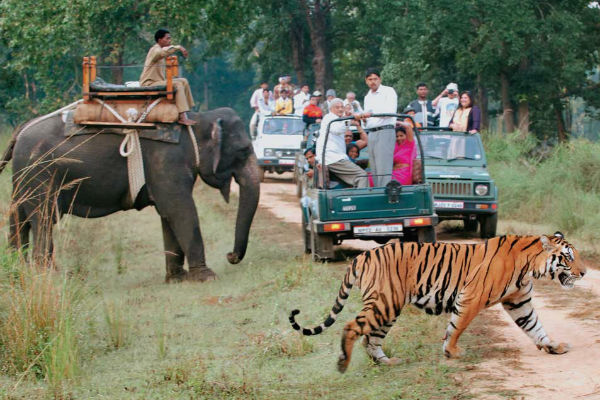
Jeep safaris offer a more intimate and personalized experience. Typically accommodating 4-6 passengers, these open-top vehicles allow for better visibility and maneuverability through the jungle terrain. Jeep safaris provide a closer proximity to wildlife, enabling you to witness the intricate details of the forest and spot tigers hidden in the undergrowth. They are ideal for photography enthusiasts and those seeking a more immersive wildlife encounter. However, due to limited availability and high demand, jeep safaris often require advance booking and may come at a higher price.
On the other hand, canter safaris are larger, open-air buses that can accommodate around 20 passengers. Canter safaris are more cost-effective and offer a group experience, making them suitable for families or larger tour groups. While they provide a wider view of the surroundings, the large size and limited maneuverability may make it challenging to get up-close views of wildlife, especially in dense areas. Canter safaris are often preferred by budget-conscious travelers or those who prioritize a shared experience.


Deciding which safari is better depends on personal preferences. If you seek a more personalized and flexible experience with higher chances of close encounters, a jeep safari may be the ideal choice. However, if you prefer a budget-friendly option or are traveling in a larger group, a canter safari can still provide an enjoyable wildlife experience. Ultimately, the decision boils down to your priorities, budget, and group size.
Safety Guidelines and Etiquette during Tiger Safaris
Ensuring safety and practicing proper etiquette during tiger safaris is crucial for both your well-being and the conservation of these majestic creatures. Here are some guidelines to follow:
Wildlife Conservation, Local and Tribal contribution while on Tiger Safari in India
It is important to recognize and appreciate the invaluable contributions of local communities and tribal populations to wildlife conservation. These communities often reside in close proximity to the tiger reserves and have developed a deep understanding of the forest ecosystems and wildlife behavior.


Local communities and tribal populations play a crucial role in conserving tigers and their habitats. They act as guardians of the forests, assisting in anti-poaching efforts, monitoring wildlife movements, and providing valuable insights on tiger behavior. Their traditional knowledge and practices are often integrated into conservation strategies, ensuring a harmonious coexistence between humans and wildlife.
Furthermore, local communities are actively engaged in eco-tourism initiatives, providing employment opportunities as guides, drivers, and hospitality staff. By participating in responsible tourism practices, visitors can contribute directly to the livelihoods of these communities, incentivizing their involvement in conservation efforts.
- Supporting local and tribal initiatives, such as handicraft cooperatives and sustainable agriculture projects, not only helps uplift the local economy but also strengthens the bond between communities and conservation. By respecting their culture, engaging in responsible tourism, and acknowledging their contribution, we foster a collaborative approach to wildlife conservation that benefits both the tigers and the people who share their habitats.